
A knock to the hand can happen in the blink of an eye, whether you catch your finger in a door or take a heavy knock during sport, and it is not always obvious whether you are dealing with a minor bruise or something more serious. Knowing how to tell if the fingertip is broken can make a real difference to how quickly you recover, and can help you avoid complications that might affect the hand for months afterwards. This article walks through the warning signs to watch for, when to seek proper medical assessment, and how to support healing once treatment is underway.
Key points
- Common indicators of a fractured fingertip include rapid swelling, significant bruising, visible deformity, and potential nerve-related symptoms like numbness or tingling.
- Persistent pain that intensifies with movement or localized tenderness that does not improve with rest are key signs that a professional diagnosis is necessary.
- Immediate medical attention at an A&E department is required if the finger is at an odd angle, if bone is visible, or if there is compromised blood flow.
- Diagnostic procedures typically involve a physical examination followed by an X-ray to determine if the fracture is displaced or requires surgical intervention.
- Proper management includes immobilizing the finger with a splint or cast and monitoring for complications such as growing haematomas or signs of infection.
- While most fingertip fractures heal within six to eight weeks, full functional strength may take three to four months of recovery and rehabilitation.
Recognising the Warning Signs of a Fingertip Fracture
Physical indicators: swelling, bruising, and deformity
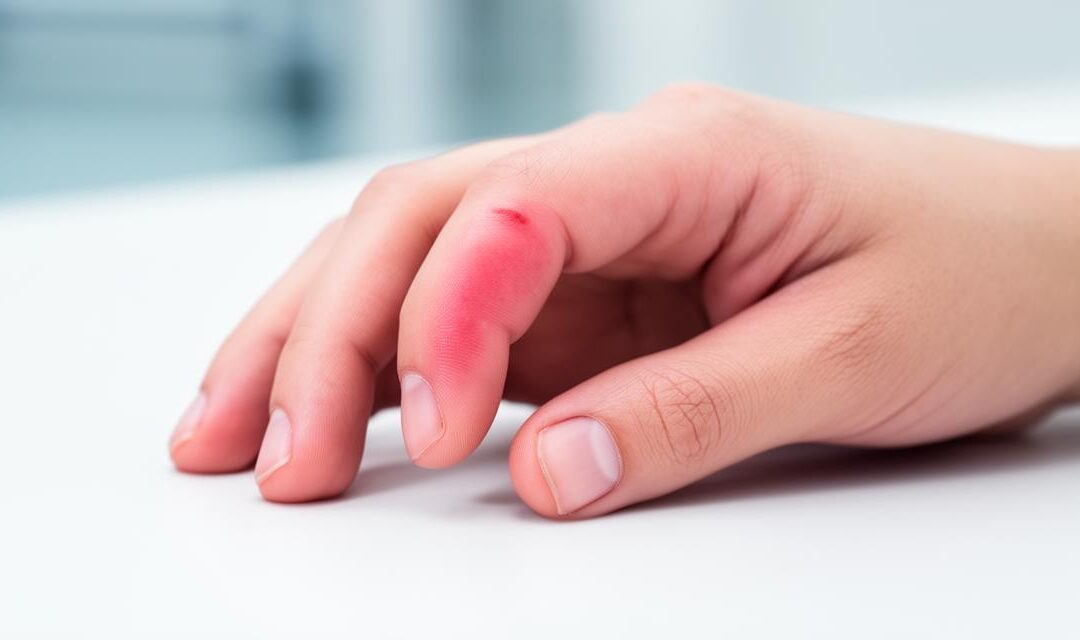
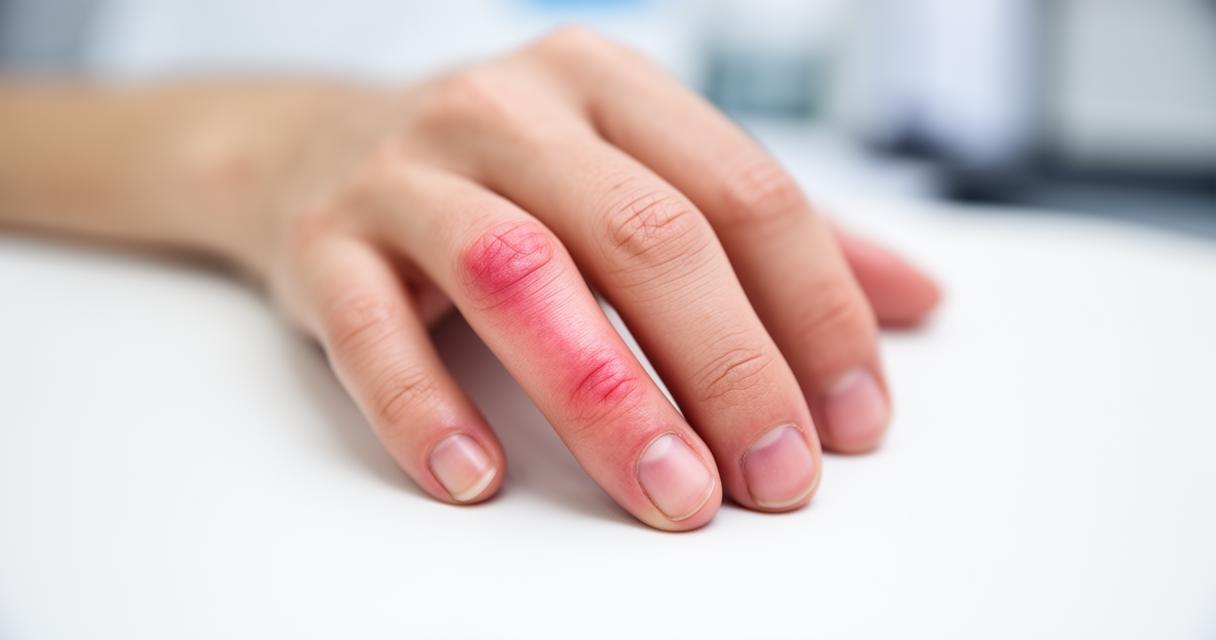
One of the clearest signs that something is wrong is a rapid onset of swelling around the injured area, often accompanied by noticeable bruising that spreads across the finger or into the palm. A genuine fracture will frequently cause the finger to look visibly out of shape, with the joint or nail sitting at an unusual angle compared with the others. This kind of visible deformity is a strong clue that a bone break has occurred rather than a simple soft tissue injury. You might also notice a change in skin colour, with the fingertip turning pale, blue, or unusually dark, which can point to disrupted blood flow beneath the surface. A build-up of blood under the nail, known as a haematoma, is another common feature and should not be ignored, as it can sometimes indicate a more serious underlying injury. Numbness or tingling in the fingertip is also worth taking seriously, since it can suggest nerve involvement alongside the fracture itself.
Functional limitations: pain and restricted movement
Alongside the visible signs, the way the finger behaves can tell you a great deal. Sharp or persistent pain that worsens when you try to bend or straighten the digit is typical of a broken finger or a broken thumb, and this discomfort often intensifies rather than easing over the following hours. Difficulty moving the joint, or a complete inability to bend it, is another red flag that should prompt further investigation. Some people describe a sensation of stiffness that makes even simple tasks, such as gripping a cup or buttoning a shirt, feel impossible. If you find that tenderness lingers around a specific point on the finger and does not improve with rest, this localised sensitivity often lines up with the exact site of the fracture. Taken together, these symptoms of pain, swelling, bruising, and restricted movement form a fairly reliable picture that a proper diagnosis is needed rather than simply waiting for the injury to settle on its own.
When to Seek Medical Assessment and What to Expect
Understanding the Importance of Prompt Professional Evaluation
It is always sensible to get medical advice if you suspect a broken finger or thumb, since an untreated fracture can heal incorrectly and cause lasting problems with strength and movement. For pain, swelling, or stiffness that does not settle, calling NHS 111 is a good first step, as trained advisers can guide you towards the right level of care. However, certain signs demand immediate action, including a finger sitting at an odd angle, skin turning blue, bone visible through a wound, or an open cut alongside the injury. In these more urgent situations, heading straight to A&E is the safer option, and it is worth remembering that you should not drive yourself there. Instead, ask someone else to take you or call for an ambulance if the injury is severe. While you wait for treatment, try to avoid moving the injured finger, keep the hand elevated, and apply ice for fifteen to twenty minutes every couple of hours if this feels comfortable. Covering any open cuts, taking paracetamol for pain relief, and removing rings before swelling worsens are all sensible precautions during this waiting period.
Diagnostic procedures and treatment options available
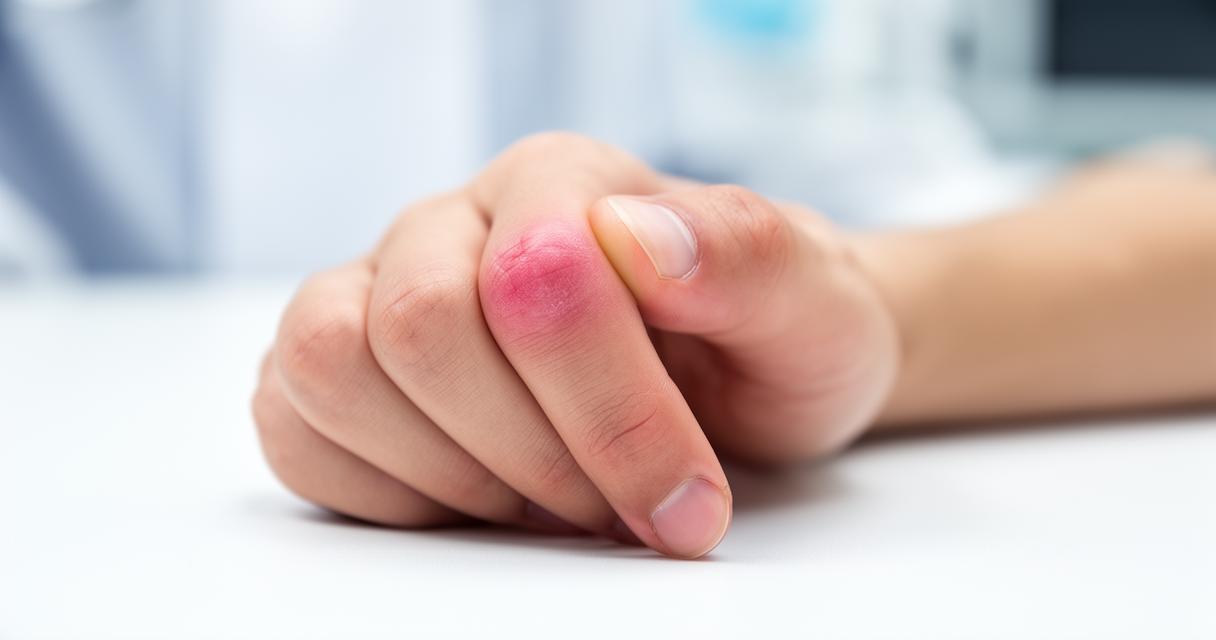
Once you reach a clinician, diagnosis typically involves a physical examination followed by an X-ray to confirm whether a fracture has occurred and to determine its type. A nondisplaced fracture, where the bone remains aligned, can often be managed with a splint or cast, allowing the bone to heal in its natural position. A displaced fracture, where the bone has shifted out of place, may require the finger to be carefully straightened before immobilisation, and in more complex cases, surgical treatment might be necessary. Surgery tends to be considered when the injury involves a joint, when there are loose bone fragments, or when multiple fractures are present at once. Depending on the nature of the wound, a tetanus injection or a course of antibiotics may also be recommended to reduce the risk of infection. Common causes behind these injuries range from being struck by a fast-moving object to slamming a finger in a door or using power tools carelessly, so the treatment approach is always tailored to how the damage occurred.
Preventing complications and supporting proper healing
Managing Haematomas and Monitoring for Infection
After initial treatment, it remains important to keep an eye on the injured finger for any signs that healing is not progressing as expected. A haematoma that continues to grow, rather than gradually fading, should be mentioned to a healthcare professional, as should any sign of infection such as increasing redness, warmth, or discharge from a wound. Risk factors including calcium deficiency, poor nutrition, and underlying conditions affecting bone health can all slow recovery, so addressing these where possible supports a smoother healing process. If you notice worsening pain, unusual swelling, or persistent numbness during recovery, a visit to your GP is worthwhile rather than assuming these symptoms will resolve alone.
Long-term care: splinting, rehabilitation, and recovery
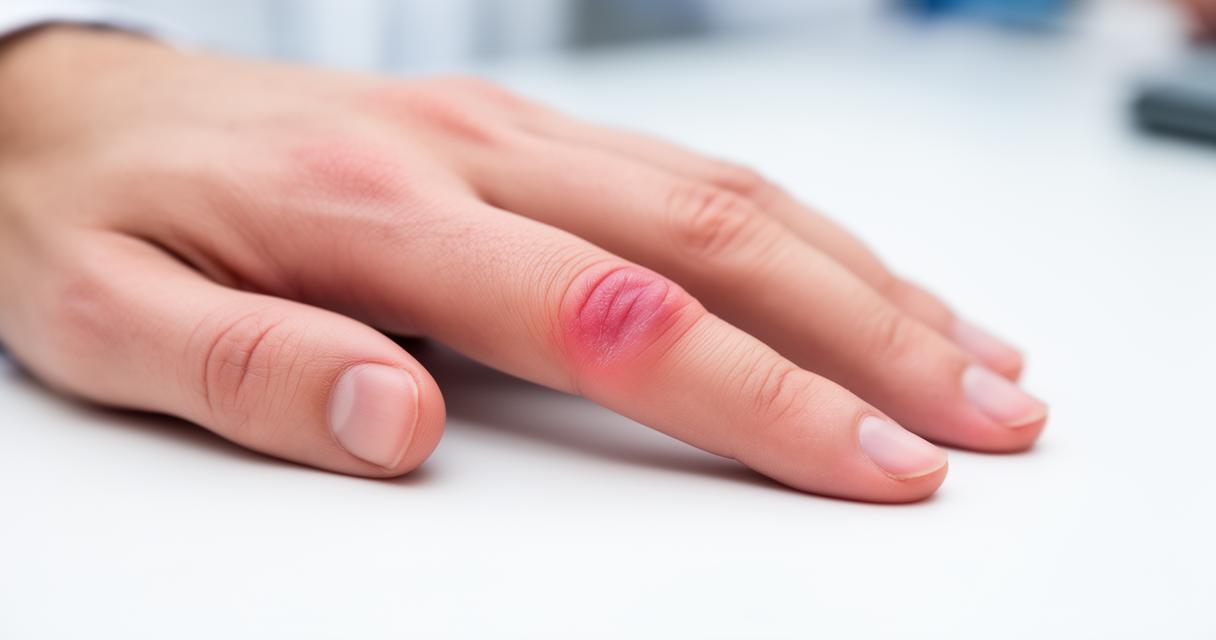
Most fingertip and thumb fractures heal within six to eight weeks, although regaining full strength can take three to four months in many cases. Splints or casts are usually kept in place for the early part of this period to protect the bone as it knits back together. Once the clinician confirms that healing is sufficiently advanced, gentle hand exercises are encouraged to prevent stiffness and restore normal movement gradually. Physical therapy can be particularly useful for more complex fractures, helping to rebuild flexibility and grip strength over time. Patience during this rehabilitation phase pays off, since rushing back into strenuous activity too soon can undo progress and risk further injury to the healing bone.