
{ “title”: “Adopt the Pilates Method, a Gentle Gymnastic to Sculpt Your Body: 5 Key Benefits for Body Transformation”, “full_text”: “
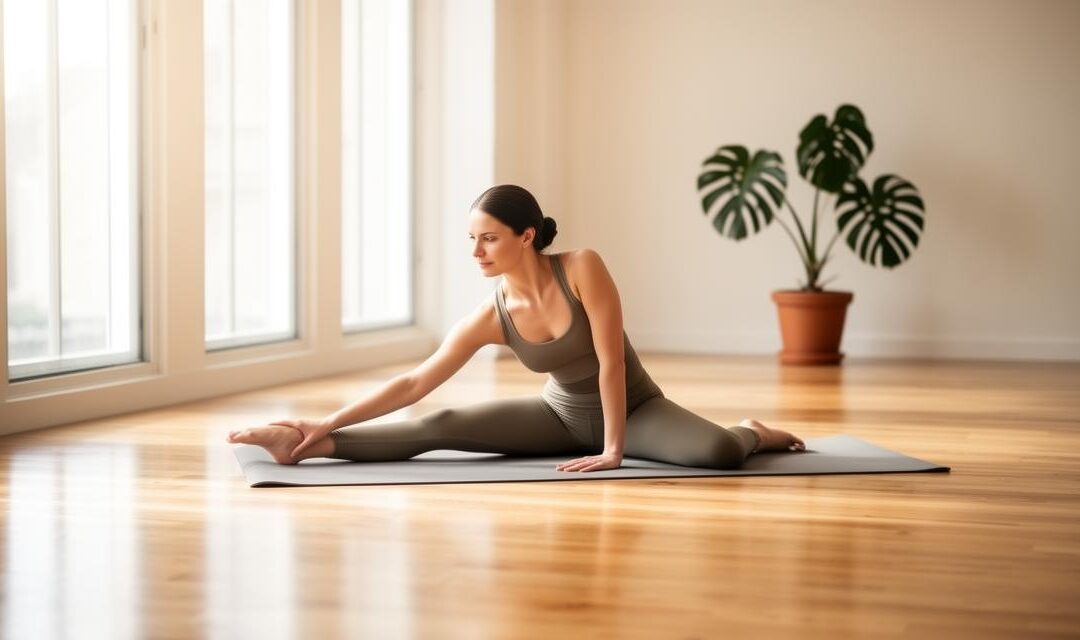
There is something quietly compelling about a form of exercise that has endured for a whole century, quietly winning over dancers, athletes, office workers and grandparents alike. Pilates has become something of a household name in fitness circles, yet many people still picture it as little more than gentle stretching on a mat. In truth, this method offers a remarkably thorough approach to reshaping the body, steadying the mind and building resilience from the inside out, and it deserves a proper look before you dismiss it as just another passing trend.
Understanding the Pilates Method: Origins and Core Principles
The Legacy of Joseph Pilates and the Birth of a Revolutionary Practice
The story behind this discipline is rather more interesting than most people realise. Joseph Pilates, the man behind the method, endured serious health difficulties as a child, and it was this personal struggle that pushed him to devise a system blending ideas from yoga, martial arts and classic conditioning exercises. What emerged was a set of around fifty simple, repetitive movements built to challenge the muscles without placing undue strain on the joints. Remarkably, this same collection of exercises can be softened for gentle rehabilitation work or intensified for elite athletes, which explains why the method has never really gone out of fashion since its creation in the twentieth century.
How Breath Control and Posture Form the Foundation of Every Session
What sets this practice apart from a standard workout is the emphasis placed on breathing and alignment before any limb even moves. Every exercise begins by stabilising the deep core muscles, and only once that foundation is secure does the body proceed into a controlled movement. This sequencing is not incidental; it is the entire point of the method, encouraging body awareness and a mindful connection between breath and motion. For newcomers, this can feel unfamiliar at first, yet it is precisely this careful pilates approach to posture and control that separates the discipline from more haphazard forms of exercise.
Five Transformative Benefits of Pilates for Your Body and Mind
Enhanced core strength and deep muscle engagement through controlled movement
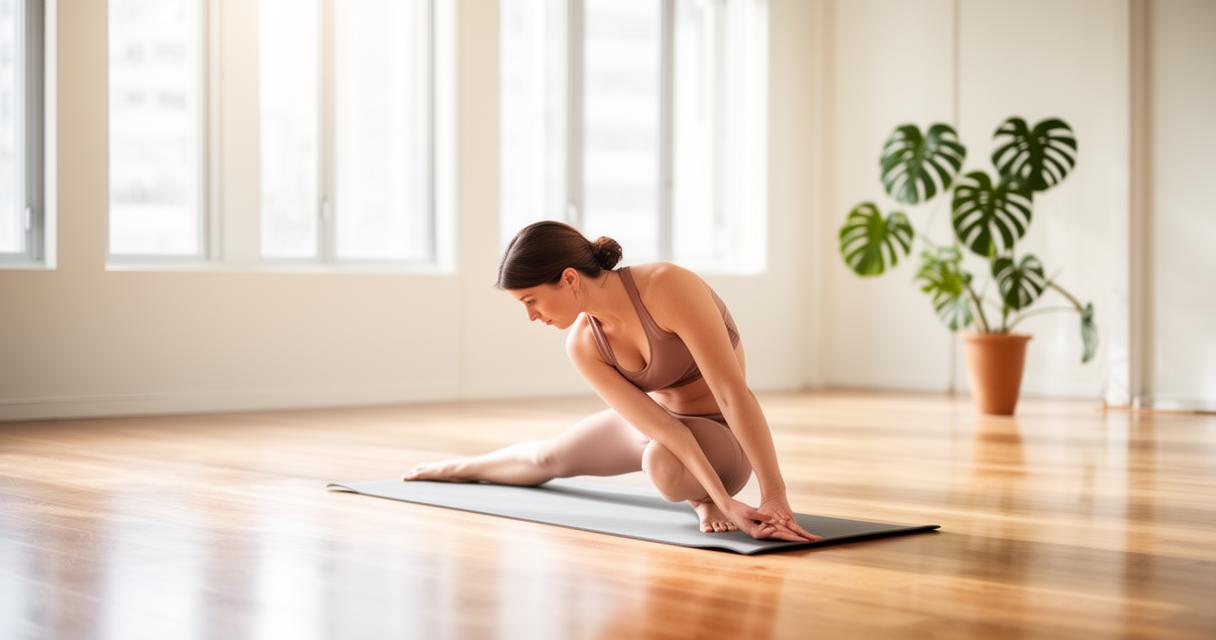
Perhaps the most celebrated benefit of this practice is its effect on core stability, and there is good reason for that reputation. Strengthening the deep abdominal and back muscles plays a genuinely important role in managing low back pain, and evidence increasingly supports the use of this method for treating chronic discomfort in that area, with many patients reporting noticeable improvement over time. Cautious support does exist within the scientific literature, largely because studies remain limited and methodology varies, yet the pattern of benefit for core-related complaints continues to appear consistently across research. Beyond the spine, this style of training also supports pelvic floor strengthening, and researchers have begun exploring its role in recovery for breast cancer patients and those managing fibromyalgia, though further investigation is certainly needed before firm conclusions can be drawn.
Improved flexibility, posture, and overall physical conditioning
Alongside strength, this method delivers a noticeable boost to flexibility, balance and general physical capacity. Older adults in particular seem to benefit from improved stability, with training shown to support balance among elderly populations, reducing the risk of falls and building confidence in everyday movement. The exercises also encourage longer, leaner muscle definition rather than bulk, alongside better posture, reduced stress, decreased menstrual discomfort and even support for weight management through improvements in body mass index and body fat percentage. Many practitioners also report benefits including boosted immunity, enhanced cognitive function, better sleep and improved mood, making this a surprisingly holistic form of conditioning.
Integrating Pilates into Your Fitness Routine: From Mat Work to Reformer Training
Choosing the Right Class to Target Specific Areas and Sculpt Your Physique
One of the appealing aspects of this discipline is its sheer variety of formats. Studios now offer everything from one-to-one sessions and beginner classes to pregnancy, postnatal and rehabilitation programmes, with online options available for those who prefer training from home. Locations across London City, Chelsea, Angel and further afield in Norfolk's Burnham Market have seen growing demand for classes tailored to specific goals, whether that means targeting the stomach, improving mobility after injury, or simply building general fitness. This adaptability means the method suits office workers seeking relief from long hours at a desk, new mothers rebuilding strength, athletes refining performance, and older adults maintaining independence.
Maximising Results with Reformer Pilates and Structured Training Sessions
For those wanting a more equipment-based experience, Reformer Pilates introduces a sliding carriage and adjustable springs that add resistance to every movement, creating a flowing sequence quite different from a conventional gym session. This equipment develops strength, mobility, posture and body awareness through smooth, controlled transitions rather than isolated repetitions. Meaningful results tend to come from consistency, and most instructors recommend attending sessions two to three times weekly over a period of eight to twelve weeks to notice genuine physical change. It is worth noting that this training is not primarily designed for weight loss and is unlikely to build significant muscle bulk, so it should complement rather than replace cardiovascular and strength-based exercise. Progressive resistance, patience and regular attendance remain the real keys to transformation, regardless of age, size or existing fitness level.
There is something quietly compelling about a form of exercise that has endured for a whole century, quietly winning over dancers, athletes, office workers and grandparents alike. Pilates has become something of a household name in fitness circles, yet many people still picture it as little more than gentle stretching on a mat. In truth, this method offers a remarkably thorough approach to reshaping the body, steadying the mind and building resilience from the inside out, and it deserves a proper look before you dismiss it as just another passing trend.
What to know
- The Pilates method, developed by Joseph Pilates, combines elements of yoga and martial arts into a versatile system that challenges muscles while protecting joints.
- The practice prioritizes breath control, deep core stabilization, and proper postural alignment as the essential foundation for every movement.
- Pilates is highly effective for building deep core strength, which contributes to managing back pain and supporting pelvic floor health.
- Regular practice improves flexibility, balance, and physical conditioning, significantly reducing the risk of falls in older adults.
- The method offers diverse formats, ranging from mat work to reformer sessions, allowing for personalized training that caters to various physical goals and fitness levels.
- Consistent practice, ideally two to three times per week, promotes leaner muscle definition and better body awareness rather than significant muscle bulk.
Understanding the Pilates Method: Origins and Core Principles
The Legacy of Joseph Pilates and the Birth of a Revolutionary Practice
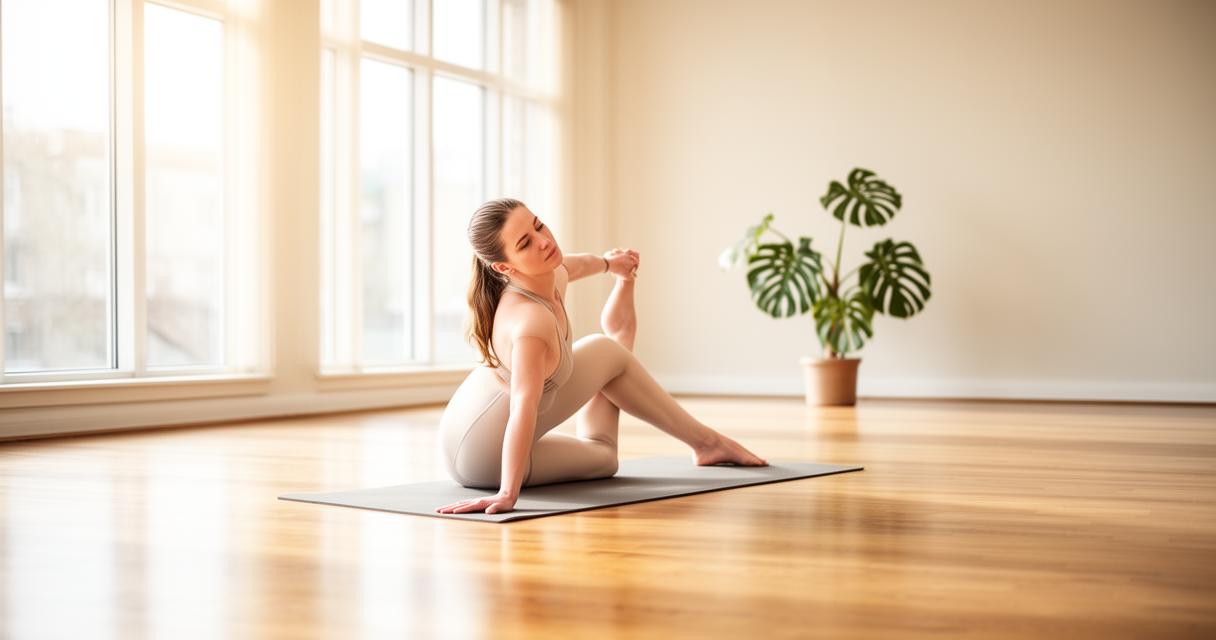
The story behind this discipline is rather more interesting than most people realise. Joseph Pilates, the man behind the method, endured serious health difficulties as a child, and it was this personal struggle that pushed him to devise a system blending ideas from yoga, martial arts and classic conditioning exercises. What emerged was a set of around fifty simple, repetitive movements built to challenge the muscles without placing undue strain on the joints. Remarkably, this same collection of exercises can be softened for gentle rehabilitation work or intensified for elite athletes, which explains why the method has never really gone out of fashion since its creation in the twentieth century.
How Breath Control and Posture Form the Foundation of Every Session
What sets this practice apart from a standard workout is the emphasis placed on breathing and alignment before any limb even moves. Every exercise begins by stabilising the deep core muscles, and only once that foundation is secure does the body proceed into a controlled movement. This sequencing is not incidental; it is the entire point of the method, encouraging body awareness and a mindful connection between breath and motion. For newcomers, this can feel unfamiliar at first, yet it is precisely this careful pilates approach to posture and control that separates the discipline from more haphazard forms of exercise.
Five Transformative Benefits of Pilates for Your Body and Mind
Enhanced core strength and deep muscle engagement through controlled movement
Perhaps the most celebrated benefit of this practice is its effect on core stability, and there is good reason for that reputation. Strengthening the deep abdominal and back muscles plays a genuinely important role in managing low back pain, and evidence increasingly supports the use of this method for treating chronic discomfort in that area, with many patients reporting noticeable improvement over time. Cautious support does exist within the scientific literature, largely because studies remain limited and methodology varies, yet the pattern of benefit for core-related complaints continues to appear consistently across research. Beyond the spine, this style of training also supports pelvic floor strengthening, and researchers have begun exploring its role in recovery for breast cancer patients and those managing fibromyalgia, though further investigation is certainly needed before firm conclusions can be drawn.
Improved flexibility, posture, and overall physical conditioning
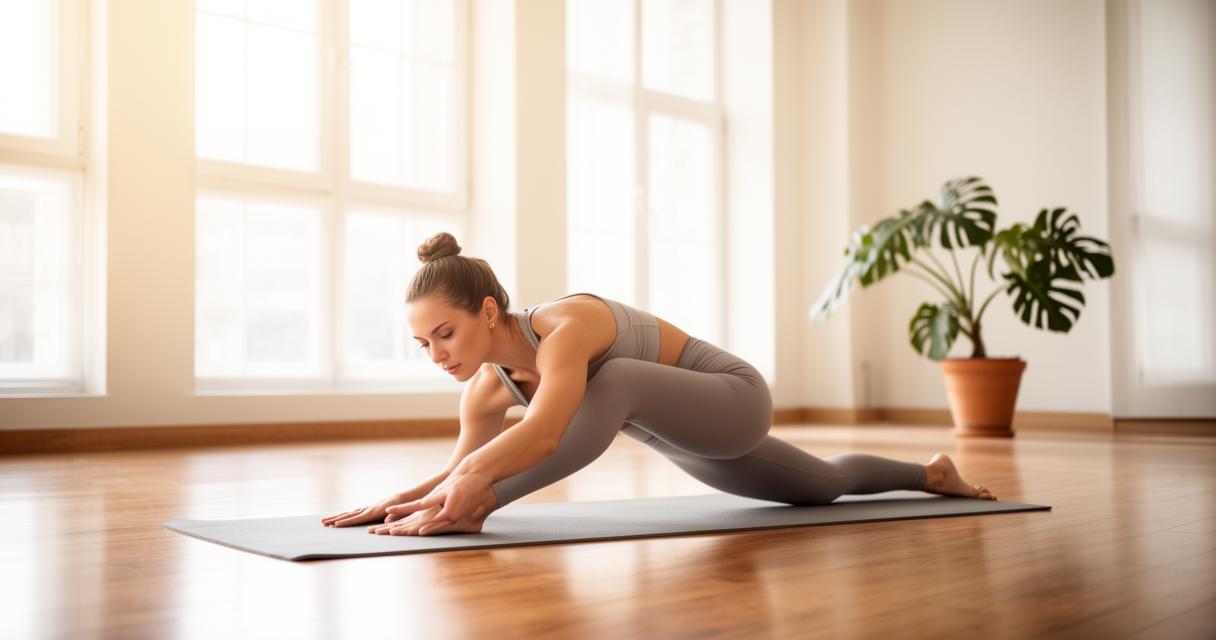
Alongside strength, this method delivers a noticeable boost to flexibility, balance and general physical capacity. Older adults in particular seem to benefit from improved stability, with training shown to support balance among elderly populations, reducing the risk of falls and building confidence in everyday movement. The exercises also encourage longer, leaner muscle definition rather than bulk, alongside better posture, reduced stress, decreased menstrual discomfort and even support for weight management through improvements in body mass index and body fat percentage. Many practitioners also report benefits including boosted immunity, enhanced cognitive function, better sleep and improved mood, making this a surprisingly holistic form of conditioning.
Integrating Pilates into Your Fitness Routine: From Mat Work to Reformer Training
Choosing the Right Class to Target Specific Areas and Sculpt Your Physique
One of the appealing aspects of this discipline is its sheer variety of formats. Studios now offer everything from one-to-one sessions and beginner classes to pregnancy, postnatal and rehabilitation programmes, with online options available for those who prefer training from home. Locations across London City, Chelsea, Angel and further afield in Norfolk's Burnham Market have seen growing demand for classes tailored to specific goals, whether that means targeting the stomach, improving mobility after injury, or simply building general fitness. This adaptability means the method suits office workers seeking relief from long hours at a desk, new mothers rebuilding strength, athletes refining performance, and older adults maintaining independence.
Maximising Results with Reformer Pilates and Structured Training Sessions
For those wanting a more equipment-based experience, Reformer Pilates introduces a sliding carriage and adjustable springs that add resistance to every movement, creating a flowing sequence quite different from a conventional gym session. This equipment develops strength, mobility, posture and body awareness through smooth, controlled transitions rather than isolated repetitions. Meaningful results tend to come from consistency, and most instructors recommend attending sessions two to three times weekly over a period of eight to twelve weeks to notice genuine physical change. It is worth noting that this training is not primarily designed for weight loss and is unlikely to build significant muscle bulk, so it should complement rather than replace cardiovascular and strength-based exercise. Progressive resistance, patience and regular attendance remain the real keys to transformation, regardless of age, size or existing fitness level.