
{ “title”: “The Vegetarian's Guide to 10 Foods Rich in Arginine to Incorporate into Your Diet Daily”, “full_text”: “
If you follow a vegetarian lifestyle, keeping tabs on certain nutrients becomes a bit more of a conscious task, and arginine is one of those quietly important building blocks worth understanding. This amino acid rarely gets the spotlight that protein or iron enjoy, yet it works away in the background supporting everything from circulation to immune resilience. The good news is that plant-based eaters have plenty of options to keep their levels topped up without reaching for animal products, and this guide walks through exactly how to do that.
Understanding arginine: the essential amino acid for vegetarians
What is Arginine and Why Does Your Body Need It?
Arginine is an amino acid that the body actually produces on its own, though dietary intake still matters, particularly during periods of illness, growth, or physical stress. It plays a part in wound healing, supports healthy kidney function, contributes to the endocrine system, and assists with blood vessel dilation, which is why it often crops up in conversations about heart health. One of its lesser-known jobs is helping to remove ammonia from the body, a compound that can be toxic to the nervous system if allowed to build up. For anyone managing protein malnutrition, recovering from burns, fighting infections, or going through a rapid growth phase such as adolescence, arginine becomes especially valuable, and this is precisely why vegetarians should give it proper attention rather than assuming their bodies will simply produce enough unassisted.
The Role of Arginine in Supporting Muscle Production and Immune Function
Beyond its behind-the-scenes housekeeping duties, arginine has a hand in muscle production, making it relevant to anyone who trains regularly or simply wants to maintain lean tissue as they age. It is also tied closely to the immune system, with a diet rich in this amino acid thought to support the body's natural defences against infection. There is ongoing interest in its potential to help with conditions like erectile dysfunction and various cardiovascular issues, although researchers admit the evidence is still somewhat mixed and effectiveness varies from person to person. What is worth flagging, though, is that taking excessive amounts of arginine may interfere with the production of lysine, another amino acid that plays a role in managing cold sores, so balance really does matter here rather than simply loading up on one nutrient at the expense of another.
Top 10 Plant-Based Sources of Arginine for Your Daily Menu
Protein-rich pulses and legumes: nature's arginine powerhouses
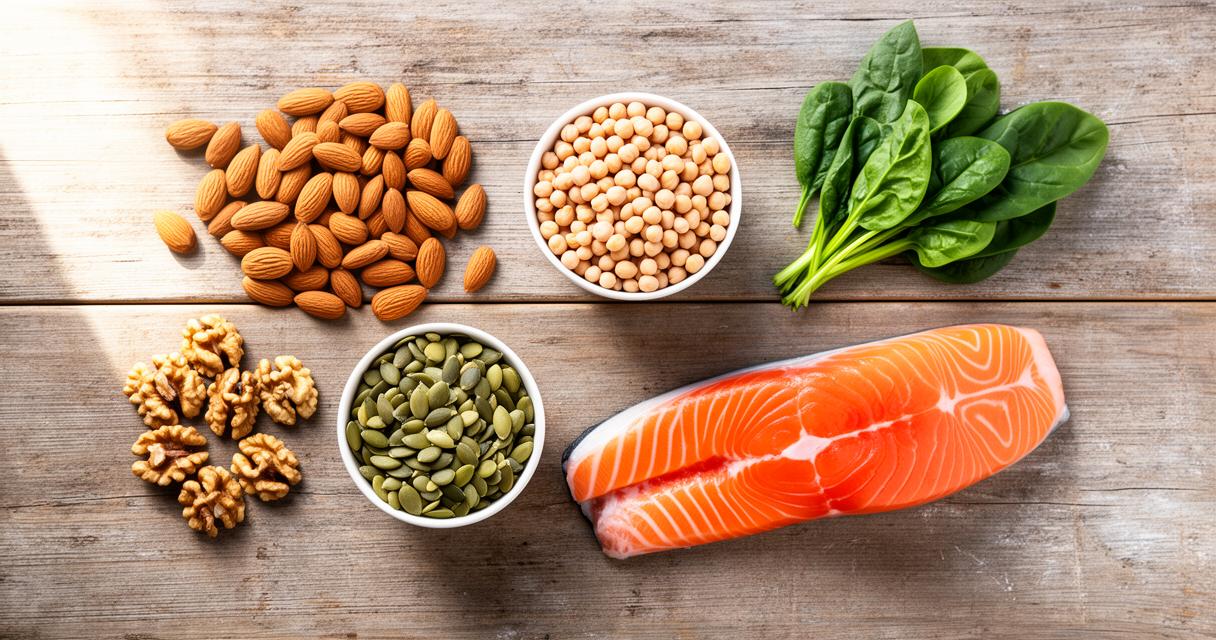
Pulses and legumes are the backbone of any vegetarian diet aiming to hit solid arginine numbers, and thankfully they are versatile enough to slot into almost any meal. Whole grains such as oats, corn, buckwheat, and brown rice also contribute steadily, especially when eaten alongside legumes to round out a complete amino acid profile. While animal products generally contain higher concentrations of arginine compared to plant-based sources, that does not mean vegetarians are left short-changed, it simply means a bit more variety and intention is needed in meal planning. A rotating mix of lentils, chickpeas, beans, and grains throughout the week goes a long way toward closing that gap naturally.
Nuts, seeds, and dairy products: boosting your arginine intake
This is really where vegetarians can shine, since nuts and seeds are some of the richest natural sources available. Walnuts, hazelnuts, pecans, peanuts, almonds, cashews, and Brazil nuts all deliver a healthy dose, making a handful of mixed nuts a genuinely useful daily habit rather than just a snack. Pumpkin seeds deserve a special mention too, containing close to six point nine grams of arginine per cup, which makes them one of the most concentrated plant sources around and an easy addition to salads, porridge, or homemade granola. Dairy products including milk, yoghurt, and cheese round out the picture nicely, and interestingly, high-protein diets that include dairy have been associated with a lower body mass index, suggesting these foods can support broader health goals beyond just amino acid intake. Together, these categories, ranging from crunchy nuts to seeds to everyday dairy, form a practical and enjoyable way to build arginine into daily eating without much fuss.
Maximising the Health Benefits of Arginine in Your Vegetarian Diet
How arginine supports blood flow and helps maintain healthy blood pressure
One of the most talked-about benefits of arginine relates to cardiovascular health, largely because the amino acid converts into nitric oxide within the body, a compound that helps relax and widen blood vessels. This process supports smoother blood flow and may assist in maintaining healthy blood pressure levels over time. For vegetarians already leaning toward heart-conscious eating patterns, boosting arginine intake through nuts, seeds, and legumes fits naturally alongside other lifestyle choices aimed at protecting long-term cardiovascular wellbeing. It is not a miracle fix, but as part of a broader balanced diet, it certainly earns its place.
Dietary supplements versus whole foods: making informed choices
For those wondering whether a supplement might be a shortcut worth taking, it is worth noting that common suggested dosages tend to sit around two to three grams taken three times a day, though this should always be discussed with a healthcare professional before starting, since needs vary considerably from person to person. Whole foods generally offer a gentler, more balanced way to raise arginine levels, coming packaged with fibre, vitamins, and other nutrients that supplements simply cannot replicate. While a nutritional supplement might have its place for specific medical circumstances, most vegetarians will find that a varied plate built around nuts, seeds, legumes, whole grains, and dairy does the job perfectly well, keeping things natural, sustainable, and enjoyable rather than clinical.” }
If you follow a vegetarian lifestyle, keeping tabs on certain nutrients becomes a bit more of a conscious task, and arginine is one of those quietly important building blocks worth understanding. This amino acid rarely gets the spotlight that protein or iron enjoy, yet it works away in the background supporting everything from circulation to immune resilience. The good news is that plant-based eaters have plenty of options to keep their levels topped up without reaching for animal products, and this guide walks through exactly how to do that.
At a glance
- Arginine is a vital amino acid that supports cardiovascular health, immune function, muscle maintenance, and the removal of toxins from the body.
- While the body produces some arginine on its own, vegetarians should consciously include dietary sources to ensure adequate levels during periods of growth, stress, or recovery.
- Legumes, pulses, and whole grains serve as foundational plant-based sources of arginine that are easily incorporated into daily meals.
- Nuts and seeds, particularly pumpkin seeds, are among the most concentrated natural sources of arginine and make for highly effective daily snacks.
- Dairy products like milk, yogurt, and cheese offer additional arginine and can contribute to broader health goals such as weight management.
- Arginine supports heart health by converting into nitric oxide, which helps relax and widen blood vessels to improve circulation and blood pressure.
- Whole food sources are generally preferred over supplements, as they provide a balanced intake of nutrients, fiber, and vitamins that support overall health.
Understanding arginine: the essential amino acid for vegetarians
What is Arginine and Why Does Your Body Need It?
Arginine is an amino acid that the body actually produces on its own, though dietary intake still matters, particularly during periods of illness, growth, or physical stress. It plays a part in wound healing, supports healthy kidney function, contributes to the endocrine system, and assists with blood vessel dilation, which is why it often crops up in conversations about heart health. One of its lesser-known jobs is helping to remove ammonia from the body, a compound that can be toxic to the nervous system if allowed to build up. For anyone managing protein malnutrition, recovering from burns, fighting infections, or going through a rapid growth phase such as adolescence, arginine becomes especially valuable, and this is precisely why vegetarians should give it proper attention rather than assuming their bodies will simply produce enough unassisted.
The Role of Arginine in Supporting Muscle Production and Immune Function
Beyond its behind-the-scenes housekeeping duties, arginine has a hand in muscle production, making it relevant to anyone who trains regularly or simply wants to maintain lean tissue as they age. It is also tied closely to the immune system, with a diet rich in this amino acid thought to support the body's natural defences against infection. There is ongoing interest in its potential to help with conditions like erectile dysfunction and various cardiovascular issues, although researchers admit the evidence is still somewhat mixed and effectiveness varies from person to person. What is worth flagging, though, is that taking excessive amounts of arginine may interfere with the production of lysine, another amino acid that plays a role in managing cold sores, so balance really does matter here rather than simply loading up on one nutrient at the expense of another.
Top 10 Plant-Based Sources of Arginine for Your Daily Menu
Protein-rich pulses and legumes: nature's arginine powerhouses
Pulses and legumes are the backbone of any vegetarian diet aiming to hit solid arginine numbers, and thankfully they are versatile enough to slot into almost any meal. Whole grains such as oats, corn, buckwheat, and brown rice also contribute steadily, especially when eaten alongside legumes to round out a complete amino acid profile. While animal products generally contain higher concentrations of arginine compared to plant-based sources, that does not mean vegetarians are left short-changed, it simply means a bit more variety and intention is needed in meal planning. A rotating mix of lentils, chickpeas, beans, and grains throughout the week goes a long way toward closing that gap naturally.
Nuts, seeds, and dairy products: boosting your arginine intake
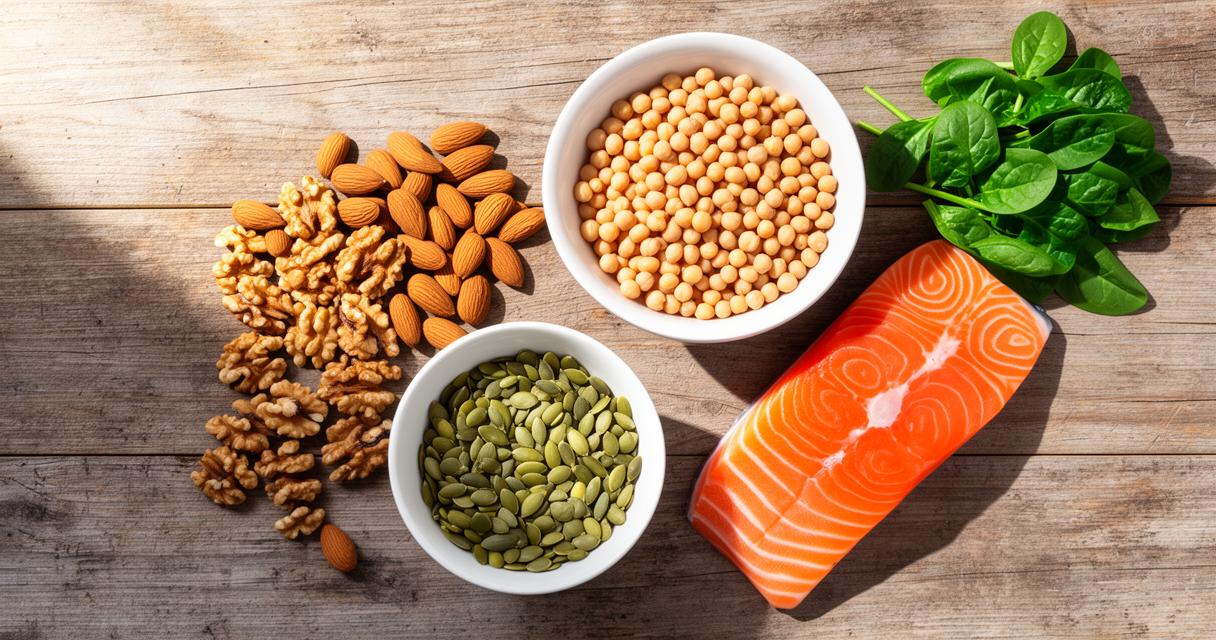
This is really where vegetarians can shine, since nuts and seeds are some of the richest natural sources available. Walnuts, hazelnuts, pecans, peanuts, almonds, cashews, and Brazil nuts all deliver a healthy dose, making a handful of mixed nuts a genuinely useful daily habit rather than just a snack. Pumpkin seeds deserve a special mention too, containing close to six point nine grams of arginine per cup, which makes them one of the most concentrated plant sources around and an easy addition to salads, porridge, or homemade granola. Dairy products including milk, yoghurt, and cheese round out the picture nicely, and interestingly, high-protein diets that include dairy have been associated with a lower body mass index, suggesting these foods can support broader health goals beyond just amino acid intake. Together, these categories, ranging from crunchy nuts to seeds to everyday dairy, form a practical and enjoyable way to build arginine into daily eating without much fuss.
Maximising the Health Benefits of Arginine in Your Vegetarian Diet
How arginine supports blood flow and helps maintain healthy blood pressure
One of the most talked-about benefits of arginine relates to cardiovascular health, largely because the amino acid converts into nitric oxide within the body, a compound that helps relax and widen blood vessels. This process supports smoother blood flow and may assist in maintaining healthy blood pressure levels over time. For vegetarians already leaning toward heart-conscious eating patterns, boosting arginine intake through nuts, seeds, and legumes fits naturally alongside other lifestyle choices aimed at protecting long-term cardiovascular wellbeing. It is not a miracle fix, but as part of a broader balanced diet, it certainly earns its place.
Dietary supplements versus whole foods: making informed choices
For those wondering whether a supplement might be a shortcut worth taking, it is worth noting that common suggested dosages tend to sit around two to three grams taken three times a day, though this should always be discussed with a healthcare professional before starting, since needs vary considerably from person to person. Whole foods generally offer a gentler, more balanced way to raise arginine levels, coming packaged with fibre, vitamins, and other nutrients that supplements simply cannot replicate. While a nutritional supplement might have its place for specific medical circumstances, most vegetarians will find that a varied plate built around nuts, seeds, legumes, whole grains, and dairy does the job perfectly well, keeping things natural, sustainable, and enjoyable rather than clinical.