Expecting a baby brings a whole host of questions about what belongs on your plate, and cured meats are often top of the list of confusing foods. Grisons meat, that delicate air-dried beef so popular on platters and in sandwiches, is one of those items that seems harmless but actually carries hidden risks for expectant mothers. Understanding why this is the case, and knowing what you can safely tuck into instead, makes all the difference to a stress-free pregnancy diet.
At a glance
- Grisons meat and other air-dried or cured products are unsafe during pregnancy because they are not heat-treated to eliminate pathogens.
- Consuming raw or undercooked meat poses significant risks of toxoplasmosis and listeriosis, which can cause serious complications for both the mother and the unborn baby.
- Pregnant women should prioritize fully cooked meat alternatives, such as roast chicken or turkey, which are safe when prepared and stored properly.
- A balanced pregnancy diet should include thoroughly washed fruits and vegetables, pasteurised dairy, and properly cooked fish to support fetal development.
- Mindful food substitutions at festive events, like choosing cooked appetizers over charcuterie boards, help maintain nutritional safety without sacrificing enjoyment.
- Establishing safe eating habits during pregnancy creates a foundation for healthy nutrition and food safety practices that benefit the entire family in the long term.
Understanding why grisons meat and certain cured products are unsuitable during pregnancy
The Health Risks of Toxoplasmosis and Listeriosis from Raw or Undercooked Meats
Grisons meat is air-dried rather than cooked, which means it can harbour parasites and bacteria that a normal cooking process would otherwise destroy. Two particular concerns dominate pregnancy health advice on this topic: toxoplasmosis and listeriosis. Toxoplasmosis is caused by a parasite that can lurk in raw or undercooked meat, and whilst it might cause barely noticeable symptoms in the mother, it can lead to serious complications for the unborn baby, including problems with development. Listeriosis, meanwhile, is caused by a bacterium that thrives in chilled, ready-to-eat products, and it poses a genuine threat because it can cross the placenta, potentially resulting in miscarriage, premature birth, or serious illness in a newborn. These aren't risks to take lightly, and they form the backbone of most official food safety guidance given to mothers-to-be.
Why Air-Dried and Cured Meats Like Grisons Require Special Caution for Expectant Mothers
Unlike a joint of beef that's roasted until piping hot, air-dried meats such as Grisons rely on salt, time, and air circulation to preserve the meat, not heat. This traditional method produces wonderful flavour, but it does nothing to eliminate the pathogens mentioned above. The same caution extends to other cured or smoked products often found on a charcuterie board, including certain salamis and dry-cured hams, unless they've been thoroughly cooked before serving. For anyone focused on maternal health, the safest approach is simply to sidestep these products entirely for the duration of the pregnancy rather than trying to judge which batch might be safer than another.
Building a Balanced Pregnancy Diet: Safe Protein Sources and Cooked Meat Alternatives
Properly Cooked Proteins and Deli Meats That Are Safe for Pregnant Women
The good news is that avoiding Grisons meat doesn't mean giving up on tasty protein-rich meals. Deli meats that have been properly cooked, such as roast chicken, cooked ham, or turkey breast, remain perfectly acceptable, provided they're stored correctly and eaten fresh. Thoroughly cooking any meat until it's steaming hot all the way through removes the risk posed by parasites and bacteria, making dishes like a hearty casserole, a roast dinner, or a simple grilled steak sensible choices. This kind of pregnancy nutrition guidance is often echoed alongside advice on breastfeeding and bottle-feeding once the baby arrives, since good habits formed during pregnancy tend to carry through into how a household approaches feeding more generally.
Incorporating Fruits, Vegetables, Dairy, and Cooked Fish into Your Daily Meals
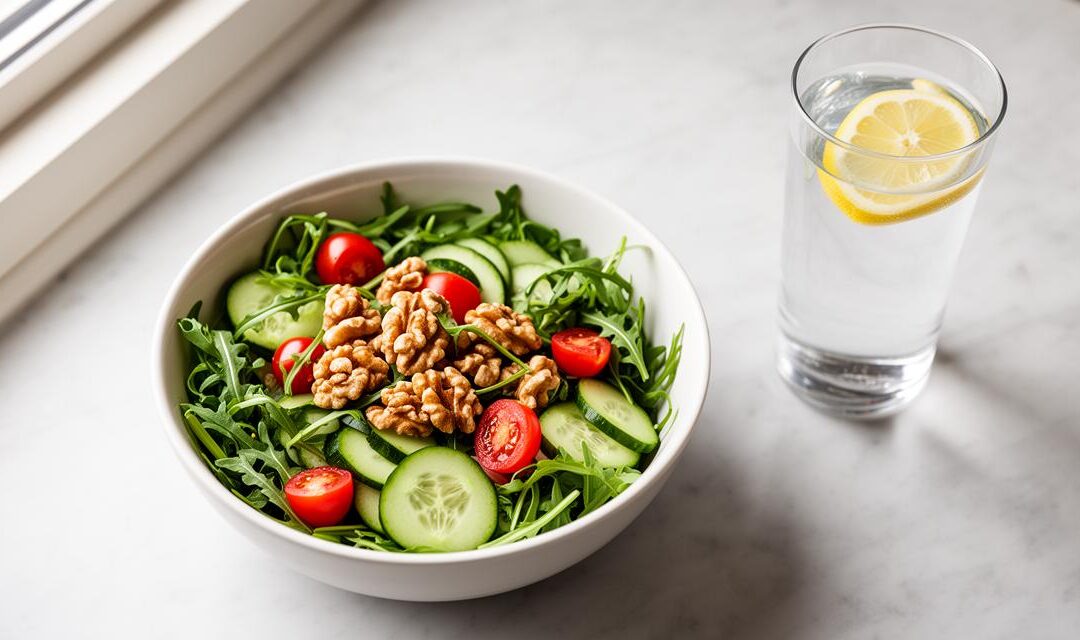
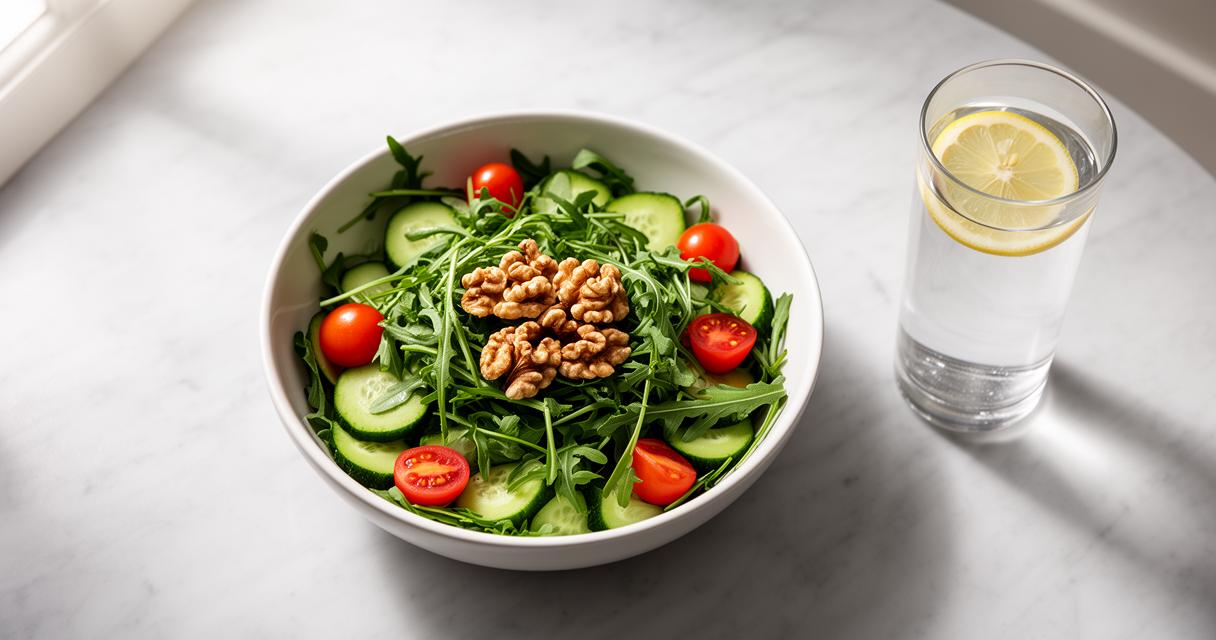
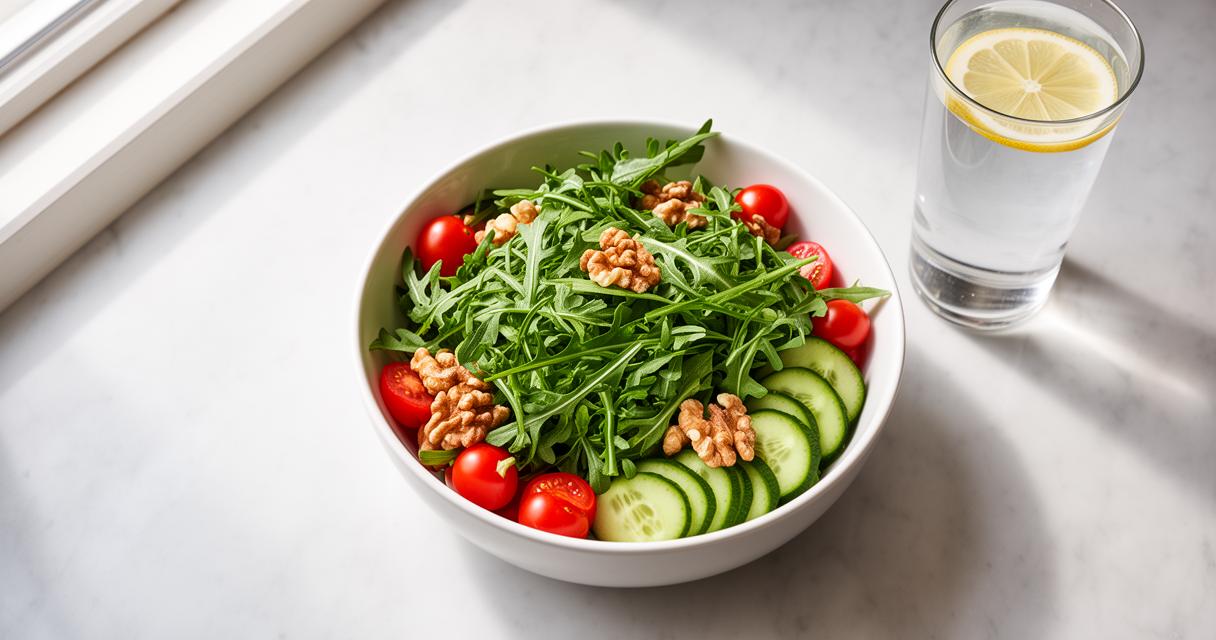
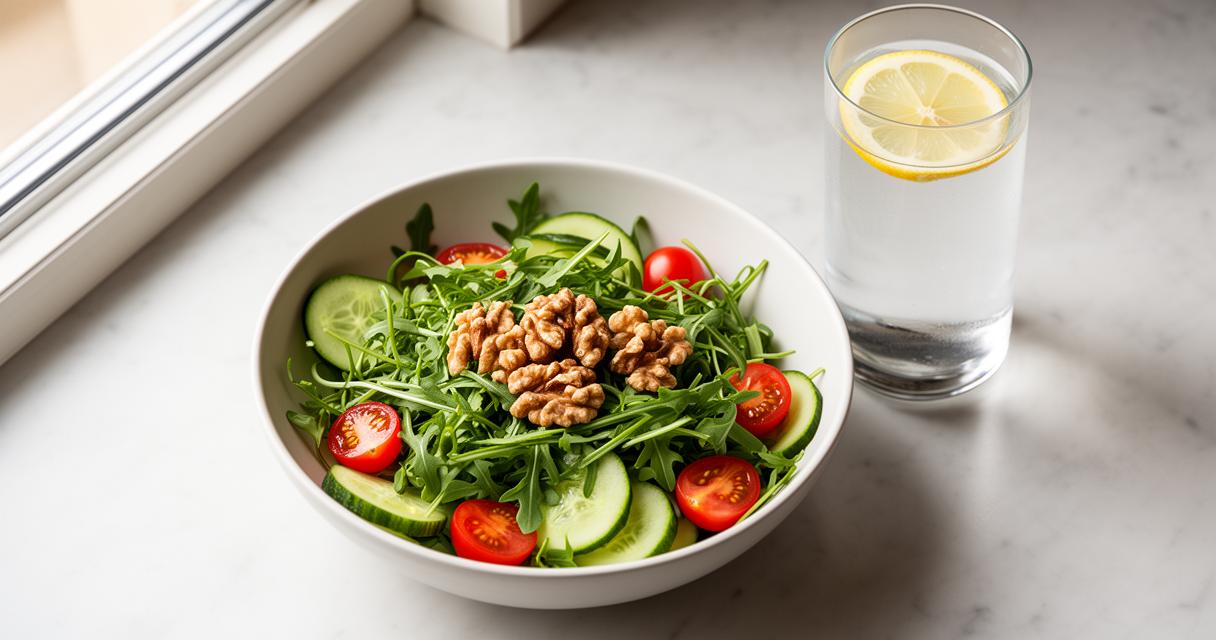
Beyond protein, a well-rounded plate should include plenty of fruits and vegetables, ideally washed thoroughly to remove any soil or residue that could carry toxoplasmosis-causing parasites. Dairy products are a valuable source of calcium, though it's worth choosing pasteurised varieties and steering clear of certain soft, mould-ripened cheeses unless they've been cooked. Fish, too, has a place on the menu, so long as it's cooked properly, as it offers beneficial nutrients that support the baby's development. A varied diet built around these staples supports not only the mother's wellbeing but also lays important groundwork for later infant feeding and eventual weaning, since a mother's own eating habits often shape the food culture of the household. It's also worth noting that many of the same principles apply once you begin thinking about toddler nutrition, as consistency in food safety habits benefits the whole family.
- Fresh, well-washed fruit and vegetables for vitamins and fibre
- Pasteurised dairy for calcium and protein
- Thoroughly cooked fish and meat for safe, nutrient-rich protein
Navigating special occasions and festive meals safely during pregnancy
Making wise food choices during christmas and holiday celebrations
Festive spreads can be a minefield for anyone trying to stick to safe eating guidelines, particularly when platters of cured meats and pâtés make their traditional appearance on the table. Christmas dinner itself is usually fine, since the turkey, stuffing, and trimmings are all cooked, but it pays to be wary of the buffet-style nibbles that often accompany the main event. Swapping out a plate of Grisons meat or similar charcuterie for cooked alternatives like a warm sausage roll or slices of roast gammon means you don't miss out on the celebratory atmosphere while still keeping things safe. This kind of mindful substitution is a small price to pay for peace of mind during the festive season.
Ensuring the Wellbeing of Both Mother and Baby Through Mindful Eating Habits
Ultimately, navigating pregnancy successfully comes down to being informed rather than anxious. Knowing which foods to avoid, and having a ready list of tasty alternatives, allows expectant mothers to enjoy meals with confidence rather than constant worry. This mindset also proves useful later on, when parents move into territory covering baby care, feeding problems, and eventually a structured weaning plan as their little one grows. Preparing for labour, understanding early child development milestones, and getting to grips with different baby milks all become far less daunting when the groundwork of good nutritional habits has already been laid during pregnancy. By treating food safety as an act of care rather than deprivation, mothers can look forward to a healthy pregnancy and a smooth transition into the exciting, if occasionally exhausting, world of feeding a new arrival.