
{ “title”: “How to Avoid Ingrown Hairs? Everything You Need to Know to Perfect Your Grooming Routine”, “full_text”: { “@context”: “https://schema.org”, “@type”: “Article”, “headline”: “How to Avoid Ingrown Hairs? Everything You Need to Know to Perfect Your Grooming Routine”, “description”: “An informative guide on understanding ingrown hairs, their causes, risk factors, and best practices for hair removal and skincare to prevent them.”, “mainEntity”: { “@type”: “MedicalCondition”, “name”: “Ingrown Hairs”, “description”: “Ingrown hairs occur when hair curls back into the skin after being shaved, tweezed, or waxed, leading to irritation and discomfort.”, “possibleTreatment”: [ { “@type”: “MedicalTreatment”, “name”: “Topical Creams”, “description”: “Creams containing salicylic acid or glycolic acid to calm inflammation and promote skin exfoliation.” }, { “@type”: “MedicalTreatment”, “name”: “Professional Extraction”, “description”: “If necessary, a medical professional can perform gentle extraction of ingrown hairs.” } ], “riskFactor”: [ “Curly Hair”, “Coarse Hair”, “Poor Hair Removal Technique”, “Tight Clothing”, “Dry Skin” ] }, “articleBody”: [ { “@type”: “WebPage”, “name”: “Understanding Ingrown Hairs: Causes and Risk Factors”, “text”: “An ingrown hair develops when a hair curls back into the skin rather than growing outwards. This condition can affect anyone who removes hair through various techniques.” }, { “@type”: “WebPage”, “name”: “Proper Hair Removal Techniques to Prevent Ingrown Hairs”, “text”: “Choosing the right shaving tools and techniques is crucial in preventing ingrown hairs, such as using clean and sharp blades.” }, { “@type”: “WebPage”, “name”: “Best Practices for Shaving to Minimise Hair Entrapment”, “text”: “Utilising proper shaving techniques and preparing the skin can help reduce the risk of ingrown hairs.” }, { “@type”: “WebPage”, “name”: “Skincare Routines and Aftercare for Ingrown Hair Prevention”, “text”: “Maintaining a skincare routine that includes exfoliation and moisturisation can significantly help in preventing ingrown hairs.” }, { “@type”: “WebPage”, “name”: “Caring for Prone Areas Like the Beard and Pubic Region”, “text”: “Special care should be taken in sensitive areas to avoid irritation and infection from ingrown hairs.” } ] } }
Ingrown hairs are one of those small grooming annoyances that seem to catch people out no matter how careful they think they're being. Whether it's a stubborn bump on the leg after shaving or a sore patch along the jawline, understanding why they happen and how to stop them forming is the first step towards smoother, calmer skin.
At a glance
- Ingrown hairs occur when shaved or waxed hair curls back into the skin, often resulting in red, irritated, and occasionally infected bumps.
- People with naturally curly or coarse hair are at a higher risk of developing ingrown hairs because their hair structure is more prone to re-entering the follicle.
- Proper shaving techniques, such as softening the skin with warm water and shaving in the direction of hair growth, significantly reduce the risk of hair entrapment.
- Using a sharp, clean razor and choosing tools specifically designed for sensitive areas can prevent the skin tugging that leads to irritation.
- Regular exfoliation and consistent moisturizing help remove dead skin cells that otherwise block follicles and trap hair beneath the surface.
- Avoid picking or tweezing ingrown hairs to prevent bacterial infections and scarring, opting instead for warm compresses and professional advice if the condition worsens.
Understanding ingrown hairs: causes and risk factors
What triggers ingrown hairs and why they occur
An ingrown hair develops when a hair that's been shaved, tweezed, or waxed curls back and grows into the skin rather than upwards and out. This is a remarkably common condition, and it can affect absolutely anyone who removes hair, regardless of age or gender. The result is usually a small, irritated bump with the hair visible in the centre, often accompanied by redness, discolouration that might look red, brown, or purple depending on skin tone, and a persistent itch that's hard to ignore. In some cases, pain and tenderness accompany the bump, particularly if the follicle has become inflamed. Left untreated, these little irritations can occasionally develop into something more troublesome, including infection with visible pus and, in the worst cases, lasting scarring.
Common risk factors including tight clothing and poor shaving technique
Certain factors make some people far more susceptible than others. Those with naturally curly hair or coarse, thick strands tend to see ingrown hairs more frequently, simply because curved hair is more prone to re-entering the skin after being cut. Hair removal methods themselves, including shaving, waxing, plucking, and threading, are common culprits, especially when technique is lacking. Shaving against the direction of hair growth, pressing too hard, or using a blunt blade all increase the likelihood of trouble. A build-up of dead skin cells can also block the follicle opening, trapping the hair beneath the surface. Meanwhile, wearing tight clothing creates friction that encourages hairs to bend back on themselves, and those with naturally dry skin may find their follicles more easily obstructed. Ingrown hairs commonly appear on the face, neck, legs, armpits, chest, back, and pubic area, so nearly every part of the body that's regularly groomed is at some risk.
Proper hair removal techniques to prevent ingrown hairs
Choosing the Right Tools: Razors, Wax, and Other Methods
Selecting the right equipment makes a genuine difference. A sharp, clean blade is far kinder to the skin than a dull one, and it's worth changing razor blades frequently rather than persisting with a worn one that drags and tugs at the hair. Brands such as Gillette offer a wide range of grooming products designed with this in mind, from the ProGlide and Fusion5 ranges through to Mach3 and the more advanced Gillette Labs razors, alongside Venus options tailored for women. Some ranges, including GilletteLabs BODY and INTIMATE razors, have been specifically designed for sensitive areas and to help reduce the chance of ingrown hairs forming. For those who find shaving consistently causes problems, switching to an electric shaver, or considering waxing or trimming as alternatives, might suit their skin better. Trimming in particular can be gentler than a close shave for people who are especially prone to irritation.
Best Practices for Shaving to Minimise Hair Entrapment
Technique matters just as much as the tool itself. It helps enormously to wet the skin with warm water first, since this softens the hair and opens the pores, making for a smoother pass. Applying a proper shaving gel reduces friction, and shaving in the direction of hair growth, rather than against it, significantly lowers the risk of hairs curling back into the follicle. Rinsing the razor regularly during use prevents clogging, and cooling the skin afterwards with cold water helps close the pores again. It's best to avoid shaving too closely, using a blunt blade, or shaving every single day, as all of these habits increase irritation over time.
Skincare Routines and Aftercare for Ingrown Hair Prevention
Essential Skincare Steps to Keep Bumps at Bay
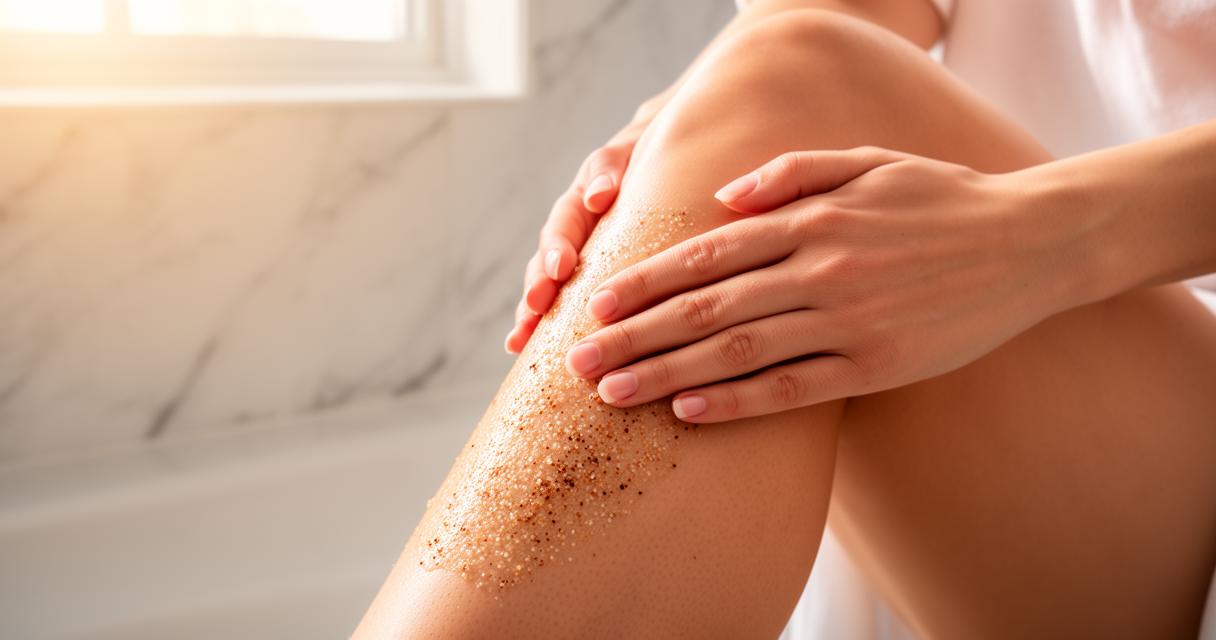
Good skincare habits work hand in hand with proper hair removal. Regular, gentle exfoliation clears away dead skin cells before they have the chance to trap a hair beneath the surface, and using exfoliating scrubs a couple of times a week can make a real difference. Keeping the skin well moisturised prevents the dryness that so often contributes to blocked follicles, and choosing loose-fitting clothing after hair removal reduces the friction that pushes hairs back into the skin. For existing bumps, a warm compress can soften the area and encourage the trapped hair to work its way out naturally, followed by gentle exfoliation. Topical creams containing salicylic acid or glycolic acid can help calm inflammation and support the skin's natural exfoliation process, and a pharmacist can often recommend suitable products for itching and prevention.
Caring for Prone Areas Like the Beard and Pubic Region Whilst Avoiding Tweezing
Areas such as the beard and the pubic region deserve particular attention, given how frequently they're groomed and how sensitive the skin can be there. It's tempting to pluck out a visible ingrown hair with tweezers, but this habit should be avoided, since picking at the skin risks introducing bacteria and worsening inflammation, potentially leading to infection or scarring. If sterilised tweezers are used at all, this should only be for very gentle extraction once the hair has surfaced naturally, never by digging into unbroken skin. Maintaining good hygiene, using antibacterial ointment where appropriate, and being patient with the healing process all help avoid lasting marks. If an ingrown hair becomes very painful, hot, or swollen, or if a high temperature develops, it's sensible to see a GP, who may remove the hair professionally, prescribe a steroid cream for swelling, or recommend antibiotics if infection has set in. For persistent or severe cases, a dermatologist can offer more targeted treatment, including retinoids or other medications suited to individual skin type.